- Popular Student Cities: Tokyo, Kyoto, Osaka, Nagoya, Fukuoka
- Academic Year: Starts in April (main intake), with a secondary intake in October
- Minimum Living Cost (per year): Approx. ¥1,200,000–¥1,800,000 (~USD 9,000–14,000)
- Tuition Fees (annual average): ¥535,800 – ¥1,500,000 (public to private universities)
- Work Rights: Up to 28 hours/week during semesters; full-time during vacations
- Post-Study Work Visa: Up to 1 year for job hunting or working after graduation
- Permanent Residency: Eligible after 5 years of continuous residence on work visa (faster for highly skilled professionals)
- Language of Instruction: Japanese and English (many graduate and some undergraduate programs in English)
- Health Insurance: Mandatory enrollment in National Health Insurance (NHI) for international students
- Safety: Japan is one of the safest countries globally, with low crime rates and excellent public infrastructure
Japan has emerged as a compelling study destination for students worldwide due to its globally respected education system, exceptional infrastructure, and strong post-study prospects. The Japanese government has actively encouraged internationalisation through its Top Global University Project, aiming to attract 300,000 international students annually.
- Globally ranked universities with cutting-edge research
- Programs available in English, especially at postgraduate levels
- Affordable tuition and generous government scholarships
- Safe, clean, and technologically advanced society
- Rich cultural experiences and global employment prospects
Quality of Education
Japan’s education system is known for its discipline, research focus, and academic rigor. Universities emphasize independent study, innovation, and cross-disciplinary learning.
- Home to top institutions like University of Tokyo, Kyoto University, and Osaka University
- Known for excellence in robotics, engineering, medicine, computer science, economics, architecture, and environmental studies
- Industry-university collaboration is strong, especially in STEM fields
- Institutions are divided into:
- National Universities (e.g., Tokyo University, Kyoto University)
- Public Universities (run by prefectures or municipalities)
- Private Universities (e.g., Waseda, Keio, Sophia University)
Degrees are widely recognized and respected in Asia, Europe, and North America.
Student Experience
Japan offers a structured and respectful academic culture. Students experience a balance between deep study, real-world application, and personal development.
- English-taught programs and Japanese language support
- Research guidance, lab facilities, and academic mentorship
- Student support offices for international student welfare
- Cultural immersion through university festivals, clubs, and community exchange programs
- Part-time work opportunities and affordable student meals/accommodation
Lifestyle and Culture
Living in Japan is a cultural journey. Students enjoy a rich heritage, futuristic cities, and some of the safest urban environments in the world.
- Clean, efficient public transport (especially in Tokyo, Osaka, Nagoya, Fukuoka)
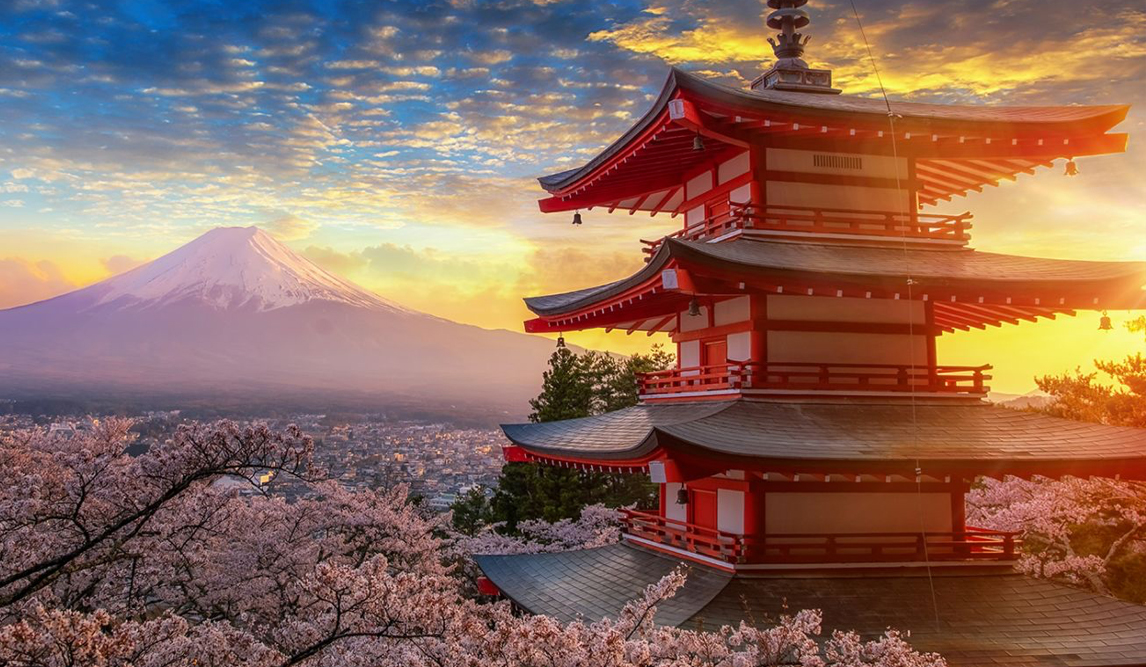
- Famous for cherry blossoms, traditional tea ceremonies, anime, cuisine, and pop culture
- Students can explore temples, mountains, beaches, and modern metropolises
- Cultural etiquette emphasizes respect, punctuality, and harmony
- Most students adapt quickly due to the helpful, organized social environment
Japan follows a structured academic pathway:
- Undergraduate Programs (Gakushi): 4 years (except medicine, pharmacy – 6 years)
- Master’s Programs (Shūshi-gō): 2 years
- Doctoral Programs (Hakase): 3 years
Japan also offers:
- Professional Training Colleges (Senmon Gakko) for vocational education
- Japanese Language Institutes as pathways to university
- Exchange programs and research fellowships under JASSO and MEXT initiatives
Academic sessions usually start in April, with a second intake in October in many universities, especially for English-taught programs.
To be eligible to study in Japan, you need to meet specific requirements:
General Requirements
- Undergraduate: Completion of 12 years of schooling; entrance exams or screening may apply
- Postgraduate: Bachelor’s degree in a relevant field; research proposal and supervisor approval often required
English Language Requirements
- IELTS 6.0+ / TOEFL iBT 79+ for English-taught programs
- Japanese Language Proficiency Test (JLPT N2 or N1) for Japanese-taught programs
Required Documents
- Academic transcripts
- Proof of English or Japanese proficiency
- Passport
- Letters of Recommendation
- Statement of Purpose / Research Proposal
- Proof of funds
- Application fee (varies by institution)
Application Channels
- Direct to university
- Through Japanese embassies (for MEXT scholarships)
- Via study platforms such as JASSO
Students need a Student Visa (Ryugaku Visa) to study long-term in Japan.
Steps
- Secure admission and receive a Certificate of Eligibility (CoE) from the host institution
- Apply for a visa at the nearest Japanese Embassy or Consulate
- Submit:
- CoE
- Passport
- Visa application form
- Recent photo
- Proof of financial means (approx. ¥2,000,000 for a year)
- Admission letter
- Attend visa interview (if requested)
- Visa is typically processed within 1 to 4 weeks
Upon arrival, students must register their residence and apply for a residence card.
Work Rights for International Students
Japan allows international students to work part-time with prior permission.
- Up to 28 hours/week during academic term
- Up to 40 hours/week during long university holidays
- Jobs include teaching assistants, translation, hospitality, tutoring, IT support, or convenience store roles
Most students earn between ¥900–1,200/hour, which helps cover basic living expenses.
Work After Graduation
International graduates can:
- Apply for a Designated Activities Visa (up to 1 year) to find a job
- Transition to a Work Visa (e.g., Engineer/Specialist in Humanities/International Services Visa) after securing full-time employment
Fields in high demand:
- Engineering
- Robotics and AI
- Information Technology
- Business and Finance
- Language Teaching and Translation
Long-Term Residency
- After 5 years of continuous residence under a work visa, students may apply for Permanent Residency (PR)
- Fast-track available for high-earning professionals and skilled individuals
- Highly Skilled Foreign Professional Visa offers PR eligibility in as little as 1–3 years based on a point-based system
Tuition Fees (per year)
- Public Universities: ¥535,800 – ¥817,800
- Private Universities: ¥800,000 – ¥1,500,000
- Japanese Language Schools: ¥600,000 – ¥900,000
- Vocational Colleges: ¥800,000 – ¥1,200,000
Living Costs
- Monthly: ¥100,000 – ¥150,000 (depending on location)
- Cities like Tokyo and Osaka are more expensive, while regional towns are more affordable
Includes accommodation, transport, food, insurance, and miscellaneous expenses.
1. MEXT (Monbukagakusho) Scholarship
- Fully funded by the Government of Japan
- Covers tuition, monthly stipend, and airfare
- Available for undergrad, master’s, PhD, and teacher training students
- Apply via Japanese embassies or university recommendation
2. JASSO Scholarships
- Offered through Japan Student Services Organization
- Monthly stipend of ¥48,000–¥75,000
- Merit-based and need-based options available
3. University-specific Scholarships
- Many universities offer entrance and performance-based scholarships
- Some offer tuition waivers (30–100%) for international students
Early application and strong academic records improve eligibility.
Pre-Departure Checklist
- Apply for CoE and Student Visa early
- Book flights and arrange accommodation (dormitory/homestay/private)
- Enroll in national health insurance (mandatory)
- Learn basic Japanese phrases and cultural etiquette
- Bring cash (Japan is still a cash-heavy society)
Upon Arrival
- Register residence at local city office
- Get a Residence Card (Zairyu Card)
- Open a bank account and obtain a mobile SIM
- Attend university orientation sessions

 01-4547774