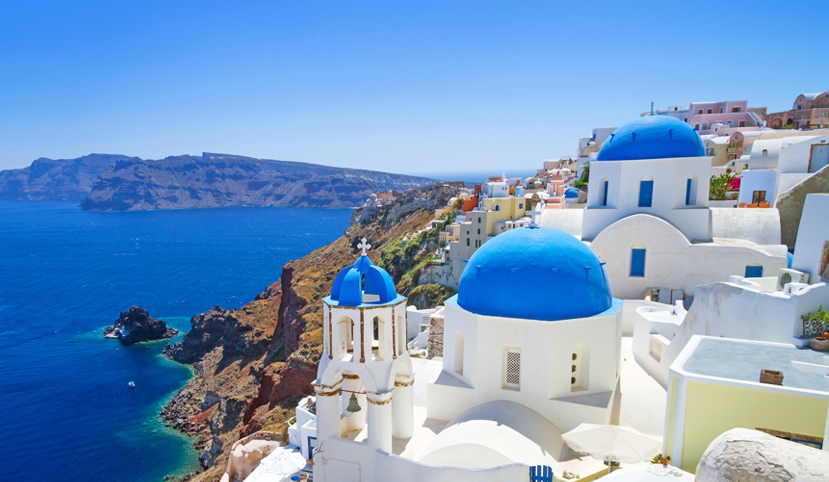
Greece stands as a unique destination for international education, combining world-renowned academic traditions with affordability, Mediterranean culture, and access to European opportunities. As the birthplace of Western civilization and democracy, Greece offers students more than just a degree; it's a transformative journey through history, philosophy, and innovation.
Whether you're pursuing humanities, engineering, business, or cutting-edge research, Greece's diverse education system provides quality programs at remarkably affordable costs, making it an ideal choice for ambitious students worldwide.
Greece is more than a study destination; it's where ancient wisdom meets contemporary learning. With institutions that balance academic rigor with cultural immersion, affordable tuition, and a Mediterranean lifestyle, Greece offers international students an education that transforms both mind and spirit.
It's the destination for students who seek quality education, cultural richness, and affordability, all in one extraordinary package.

Studying in Greece means immersing yourself in a living classroom where philosophy was born, democracy was conceived, and innovation continues to thrive. It's an education that extends far beyond lecture halls.
Academic Excellence at Affordable Costs
Greek universities offer substantially more affordable education compared to other European destinations, with EU and EEA students paying no tuition fees at state universities. Non-EU international students typically pay around €1,500 annually for undergraduate programs, including course books. Despite these low costs, institutions like the National and Kapodistrian University of Athens and Aristotle University of Thessaloniki maintain strong academic reputations and rank among Europe's top universities.
Cultural Immersion and Historical Richness
Greece offers unparalleled opportunities to study where Socrates taught, Aristotle pondered, and the Olympic Games began. Students experience living history daily, from the Acropolis in Athens to Byzantine monasteries in Meteora, from ancient theaters still hosting performances to archaeological sites revealing millennia of human achievement.
Mediterranean Lifestyle and Safety
Greece provides comfortable living on a budget of €450–€750 per month for most students. Greek cities offer safe, walkable neighborhoods with vibrant café culture, pristine beaches, and a relaxed Mediterranean pace that promotes well-being and work-life balance. The renowned Greek hospitality ensures international students feel welcomed and supported.
Gateway to Europe
As an EU member and Schengen country, studying in Greece provides access to travel, internships, and networking throughout Europe. Your Greek student visa allows travel to all Schengen countries, opening doors to continental experiences and career opportunities.
The International Student Experience
Greece's universities welcome students from around the world, creating diverse campus communities. Institutions provide support services, including academic advisors, language programs, cultural integration activities, and student organizations that help international students thrive both academically and socially.
Greece's education system is regulated by the Hellenic Ministry of Education and Religious Affairs, ensuring quality and consistency across institutions. The system aligns with the Bologna Process, making degrees recognized throughout Europe and globally.
Key Sectors in Education:
The flexibility of the Greek system allows students to pursue interdisciplinary studies, with many programs offering international exchange opportunities through Erasmus+ and bilateral agreements.
Gaining admission to Greek institutions requires careful preparation and understanding of specific requirements for your chosen program and level of study.
General Entry Requirements:
Undergraduate Programs:
Postgraduate Programs:
Language Requirements: Programs taught in Greek require Greek language certification. However, many programs offer preliminary Greek language courses.
Application Process:
Applications must be submitted online through the Hellenic Ministry of National Education and Religious Affairs, with all documents translated into Greek and authenticated by Greek diplomatic authorities. Each university also has specific application portals and deadlines.
Intakes and Application Timeline:
EU citizens do not need a visa to study in Greece, though they need a residence permit if staying longer than three months. Non-EU citizens require a student visa obtained from a Greek consulate.
Key Visa Requirements:
Application Process:
Applications should be submitted 8-12 weeks before departure at the Greek consulate with jurisdiction over your residence. Most consulates require in-person applications and interviews. Processing typically takes several weeks to a few months, so early application is crucial.
Residence Permit:
Within 40 days of arrival in Greece, students must apply for a residence permit at the local Migration Department. This permit allows legal stay for the duration of studies and must be renewed annually. Required documents include student registration confirmation, bank statements, passport photos, and proof of health insurance.
Greece offers various scholarship opportunities to support international students across all study levels.
Major Scholarship Opportunities:
International students can access scholarships ranging from €3,000 to €15,000 annually, with some prestigious programs covering full tuition plus living expenses. Early research and application significantly improve funding prospects.
Greece provides international students with opportunities to work and gain valuable experience during and after their studies.
Work Rights During Studies:
Students are legally allowed to work up to 20 hours per week. EU/EEA students can work without restrictions, while non-EU students can apply for permits allowing part-time work to support themselves financially. Popular student jobs include tutoring, hospitality, tourism, retail, and internships in various industries.
Post-Study Work Options:
Greece doesn't have a specific "Post-Study Work Visa" but offers several pathways for graduates to work legally:
Permanent Residency Pathways:
Students can work toward permanent residency by maintaining legal residence through work permits for five years. Note that time spent on student visas typically doesn't count toward permanent residency. After securing employment post-graduation, the work permit period contributes to PR eligibility. After seven years of legal residence, individuals may apply for Greek citizenship through naturalization.
Greece offers one of Europe's most affordable living costs for students, making quality education accessible.
Estimated Monthly Expenses:
Total Monthly Budget: €450–€1,200 depending on city and lifestyle
Athens and Thessaloniki tend to be more expensive than smaller cities, but all remain considerably more affordable than most Western European destinations.
Before and after traveling to Greece, students should prepare comprehensively for their new journey.
Essential Preparations:
Cultural Adaptation Tips:
Student life in Greece combines rigorous academics with rich cultural experiences and social engagement.
Academic Environment:
Greek universities maintain a relaxed classroom atmosphere with friendly, accessible professors who encourage questions. Students experience multicultural environments with classmates from around the world. Schedules can be intensive with early morning lectures and multiple sessions daily, complemented by practical exercises and laboratory work.
Social and Cultural Activities:
Universities organize numerous social activities, including theater productions, art exhibitions, scientific lectures, sports events, and cultural festivals. Students can explore:
Support Services:
Universities provide international student offices, academic advisors, counseling services, career guidance, and integration programs. Many institutions offer Greek language courses free or at reduced rates for international students.
 01-4547774